

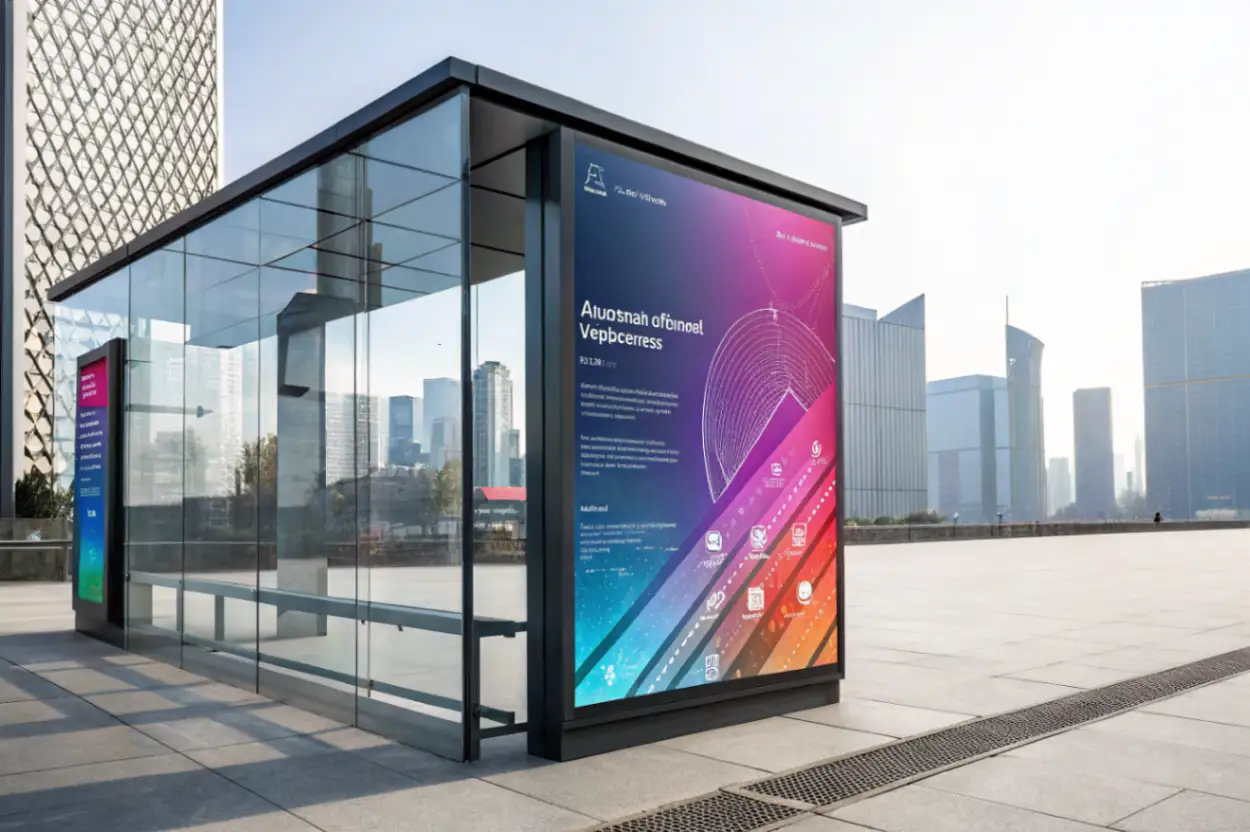
Digital design in 2026 is no longer driven solely by aesthetics. It is shaped by performance metrics, sustainability goals, accessibility standards, and user behavior analytics. Among the dominant trends transforming modern interfaces are Liquid Glass UI, advanced UX strategy, and sustainable design systems. Major brands are not simply updating visuals — they are redefining the relationship between interface, technology, and environmental responsibility.
From Apple-inspired translucent layers to adaptive AI-powered user journeys and eco-conscious digital architecture, the shift is systemic. Companies competing at a global level understand that visual standards now influence brand trust, retention rates, and even ESG performance indicators. This article explores how Liquid Glass design, UX innovation, and sustainable interface systems are reshaping the digital landscape in 2026.
The Rise of Liquid Glass UI in Modern Digital Design
Liquid Glass UI has emerged as one of the most searched and discussed visual trends in 2026. Unlike traditional flat design or even neumorphism, Liquid Glass interfaces simulate dynamic translucency, depth layering, fluid motion, and light diffusion effects that resemble real glass surfaces interacting with natural light.
The popularity of Liquid Glass design is not accidental. It responds to three critical shifts in digital behavior:
• Users expect tactile realism in digital environments.
• High-resolution OLED and micro-LED displays allow refined transparency effects.
• GPU optimization enables smoother real-time rendering.
Major brands integrate Liquid Glass principles to create interfaces that feel alive rather than static. Apple, Microsoft, Samsung, and several automotive UI ecosystems now deploy layered transparency with contextual blur, adaptive light reflection, and responsive depth.
However, Liquid Glass UX is not purely decorative. When implemented strategically, it improves hierarchy perception. Transparent layers separate functional zones without aggressive visual boundaries. Motion feedback enhances intuitive navigation. Context-aware blur directs attention toward actionable elements.
In 2026, the best implementations of Liquid Glass design follow three technical standards: GPU-efficient rendering, accessibility compliance for contrast ratios, and adaptive opacity based on ambient light sensors. Brands that ignore these variables risk sacrificing usability for style.
Liquid Glass has therefore evolved from a visual trend into a structural UX component embedded in design systems.
UX Design Evolution: Data-Driven Interfaces and AI Personalization
User experience design in 2026 operates at the intersection of behavioral analytics, artificial intelligence, and predictive interface architecture. Modern UX design trends focus less on static wireframes and more on dynamic personalization engines.
Below is a comparative overview of how UX strategy has shifted between 2022 and 2026:
| UX Element | 2022 Standard | 2026 Standard |
|---|---|---|
| Personalization | Basic recommendation systems | Real-time AI behavioral adaptation |
| Navigation | Fixed navigation bars | Contextual adaptive navigation |
| Accessibility | WCAG compliance | Predictive accessibility adjustments |
| Micro-interactions | Predefined animations | AI-generated responsive feedback |
| Performance Focus | Speed optimization | Energy-efficient UX rendering |
The transformation reflects deeper integration of AI into interface layers. Instead of offering the same UI to every user, brands now deploy adaptive UX models that analyze scrolling behavior, dwell time, click hesitation, and device conditions.
For example, streaming platforms adjust interface density based on user fatigue signals. E-commerce giants dynamically modify checkout complexity based on behavioral friction metrics. Fintech apps alter contrast and font size automatically when detecting ambient brightness changes.
This shift toward AI-driven UX design creates measurable improvements in engagement and conversion rates. Yet it also introduces ethical responsibilities. Transparent data usage policies and privacy-centered architecture are now essential parts of UX strategy.
In 2026, user experience is not a layout — it is an evolving system shaped by algorithms and real-time context.
Sustainable Digital Design as a Core Brand Strategy
Sustainable design has expanded beyond packaging and supply chains. In 2026, digital sustainability plays a measurable role in brand positioning and ESG reporting. Large technology companies publicly disclose carbon footprint reductions related to data processing and interface efficiency.
Digital sustainability focuses on reducing server load, optimizing front-end performance, and lowering energy consumption on user devices. It influences both UX architecture and visual design decisions.
To understand how sustainability is embedded into digital design systems, consider the following core practices adopted by major brands:
• Dark mode as default to reduce OLED energy consumption.
• Lightweight vector-based graphics replacing heavy raster images.
• Adaptive refresh rate interfaces to minimize GPU strain.
• Reduced motion options to lower processor load.
• Sustainable hosting powered by renewable energy data centers.
Each of these decisions affects not only performance metrics but also environmental impact at scale. When a platform serves hundreds of millions of users daily, even minor rendering optimizations translate into significant energy savings.
Sustainable UX design also improves performance perception. Faster load times, cleaner code architecture, and optimized animations enhance user satisfaction while reducing computational waste.
The integration of sustainability into digital design reflects a broader shift: brands now compete not only on visual innovation but also on ecological accountability. In 2026, green UX is not optional — it is strategic.
The Convergence of Liquid Glass and Sustainable UX Systems
At first glance, Liquid Glass UI appears visually complex and potentially resource-heavy. However, leading brands have demonstrated that advanced visuals and sustainable design are not mutually exclusive.
Through GPU-accelerated rendering pipelines and hardware-level optimization, Liquid Glass effects can be executed efficiently. Instead of stacking multiple raster layers, designers now use shader-based rendering and vector transparency mapping. This reduces memory consumption while maintaining depth perception.
Moreover, adaptive opacity algorithms adjust blur intensity depending on device battery level. When energy drops below a threshold, the interface automatically simplifies rendering complexity. This approach merges UX intelligence with sustainability principles.
Automotive dashboards, AR interfaces, and wearable operating systems particularly benefit from this convergence. Lightweight Liquid Glass layers provide clarity without sacrificing battery life.
In 2026, the most successful brands build design systems where visual innovation aligns with technical efficiency. The convergence of transparency aesthetics and eco-optimized architecture defines next-generation interface standards.
Accessibility and Inclusive Design in the New Visual Era
As visual interfaces grow more sophisticated, accessibility requirements have become stricter. Liquid Glass design, if implemented incorrectly, can create contrast issues for visually impaired users. Therefore, inclusive UX design plays a crucial role in maintaining usability.
Modern accessibility in 2026 extends beyond WCAG checklists. AI-based contrast correction, voice-adaptive interfaces, and real-time readability optimization are becoming standard.
Major brands deploy dynamic contrast layers beneath transparent elements to maintain legibility. Typography automatically scales based on user preferences stored in system settings. Motion intensity adjusts for users sensitive to animation.
Inclusive design also considers neurodiversity. Reduced stimulation modes simplify interface layers for users prone to cognitive overload. Predictive assistance reduces decision fatigue by highlighting recommended actions clearly.
Accessibility is no longer a compliance requirement — it is an innovation driver. Brands that integrate inclusive UX frameworks gain broader audience reach and improved brand trust.
In 2026, visual sophistication must coexist with universal usability.
The Future of Visual Standards: Brand Identity in 2026 and Beyond
The transformation of digital interfaces in 2026 signals a new era in brand identity development. Visual standards are now multidimensional systems rather than static style guides.
Liquid Glass design introduces emotional depth and realism. AI-driven UX enhances personalization. Sustainable digital architecture reflects environmental responsibility. Inclusive frameworks guarantee accessibility.
Together, these pillars reshape how brands communicate value. The interface itself becomes a proof point of innovation and ethics.
Looking forward, we can expect further integration of spatial computing, augmented reality, and energy-aware UI frameworks. Interfaces will increasingly adapt to environmental conditions, user mood detection, and hardware capabilities.
Major brands that lead this evolution treat design not as decoration but as strategic infrastructure. Visual systems will continue to balance aesthetics, efficiency, sustainability, and inclusivity.
Conclusion
In 2026, Liquid Glass UI, advanced UX personalization, and sustainable digital design form the foundation of modern visual standards. Major brands redefine interfaces by merging technological innovation with environmental responsibility and accessibility.
The future of digital experience belongs to adaptive, intelligent, and energy-efficient systems. Companies that understand this transformation are not just updating their visual identity — they are reshaping how users interact with technology at a fundamental level.