

Visual advertising is entering a new phase in 2026, driven by rapid advances in AI-powered design platforms and the growing demand for faster, more adaptive content creation. Brands are no longer competing only on creativity but on speed, scalability, and personalization. In this environment, tools that once served primarily as graphic editors are becoming full-fledged advertising ecosystems. Canva and GrafitX stand at the center of this transformation, each reshaping how marketers, designers, and businesses approach visual communication.
While Canva continues to expand its influence as a mainstream creative platform, GrafitX is emerging as a more specialized solution focused on automation, performance, and data-driven visuals. Together, they are changing the rules of visual advertising and redefining what is possible in 2026.
The evolution of visual advertising platforms in the AI era
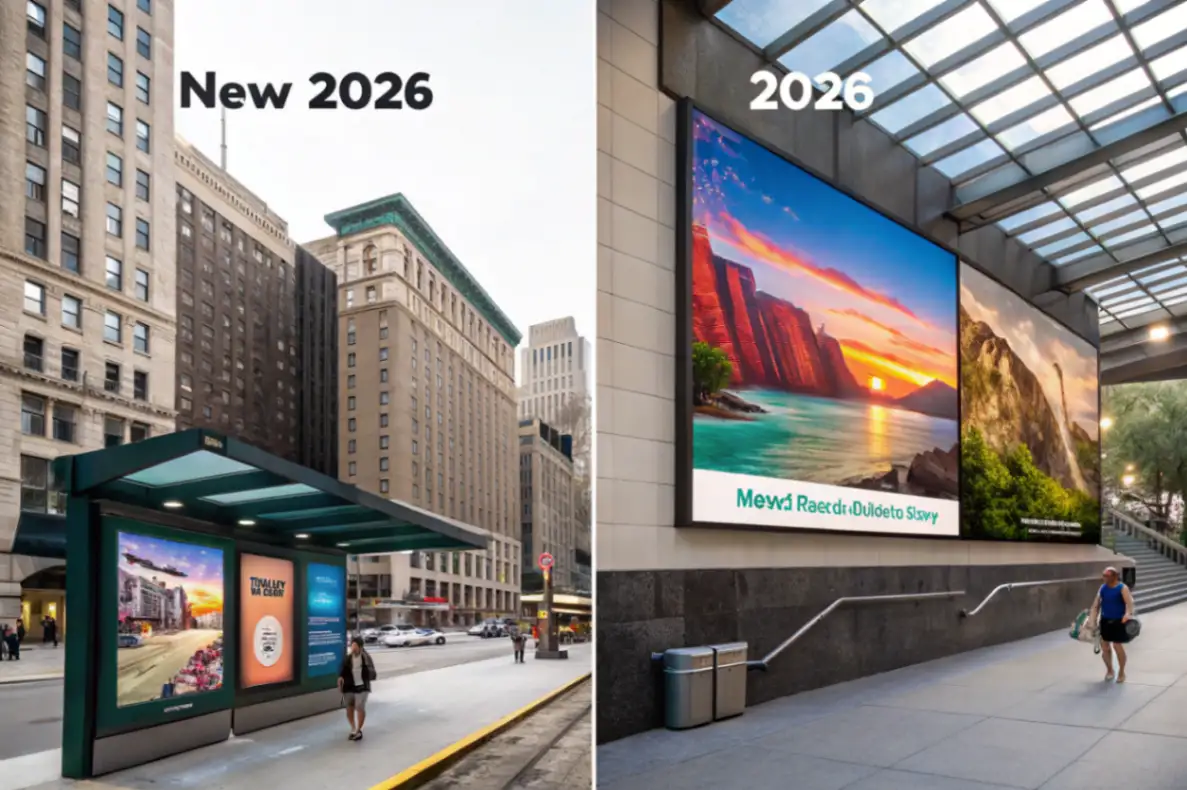
Visual advertising has always evolved alongside technology, but the pace of change in recent years has been unprecedented. The integration of artificial intelligence into design workflows has shifted expectations from manual creation to intelligent assistance. In 2026, advertisers expect platforms not only to help them design visuals but to actively participate in strategic decisions such as layout optimization, audience targeting, and brand consistency. Canva and GrafitX reflect this shift by embedding AI at the core of their platforms rather than treating it as an add-on feature.
Canva’s evolution has been driven by its mission to democratize design. What started as a simple drag-and-drop editor has transformed into a comprehensive creative suite capable of producing everything from social media ads to video campaigns and interactive presentations. Its AI-driven tools now analyze user intent, suggest design elements, and even generate complete ad creatives based on minimal input. This evolution positions Canva as a bridge between professional design standards and mass accessibility, making high-quality visual advertising achievable for small businesses and large enterprises alike.
GrafitX, by contrast, has evolved from a performance-oriented mindset. Its development has been closely aligned with the needs of advertisers who operate at scale and rely heavily on data. Rather than focusing on ease of use alone, GrafitX emphasizes automation, dynamic content generation, and real-time optimization. In the AI era, this approach resonates with brands that need to produce hundreds or thousands of visual variations tailored to different audiences, platforms, and campaign goals. The evolution of these platforms illustrates how visual advertising tools are no longer passive editors but active engines of marketing strategy.
Feature comparison of Canva and GrafitX in 2026
To understand how Canva and GrafitX are changing visual advertising, it is important to compare their core capabilities as they stand in 2026. Both platforms offer advanced AI features, but their priorities and strengths differ significantly. The following table highlights key aspects that define their current positioning in the visual advertising ecosystem.
Before examining the table, it is worth noting that these features are not isolated tools but interconnected systems that influence how campaigns are planned, executed, and optimized. The comparison below focuses on areas most relevant to modern visual advertising.
| Feature Area | Canva 2026 | GrafitX 2026 |
|---|---|---|
| AI Design Assistance | AI-generated layouts, color palettes, and typography suggestions based on user intent | AI-driven design generation optimized for conversion metrics |
| Automation Level | Semi-automated workflows with user control | Fully automated creative production at scale |
| Target Audience | Small businesses, creators, marketing teams, enterprises | Performance marketers, agencies, large-scale advertisers |
| Personalization | Template-based personalization with AI recommendations | Dynamic, data-driven personalization in real time |
| Analytics Integration | Basic performance insights and platform-level analytics | Deep integration with ad platforms and real-time performance data |
| Learning Curve | Low, designed for non-designers | Moderate, focused on professional marketing teams |
This comparison shows that Canva and GrafitX are not direct substitutes but rather complementary solutions within the visual advertising landscape. Canva excels in accessibility and creative flexibility, making it ideal for brands that value speed and ease of use without sacrificing quality. GrafitX, on the other hand, prioritizes efficiency at scale and measurable performance, catering to advertisers who need precision and automation. Understanding these distinctions is essential for choosing the right platform in 2026.
How Canva empowers marketers with AI-driven creativity
Canva’s impact on visual advertising in 2026 lies in its ability to empower marketers who may not have formal design training. By embedding AI deeply into its creative workflows, Canva reduces the gap between idea and execution. Marketers can now describe the goal of a campaign in natural language and receive fully formed visual concepts tailored to specific platforms such as Instagram, YouTube, or display ads. This shift transforms Canva from a design tool into a creative partner.
One of the most significant changes Canva introduces is contextual design intelligence. The platform analyzes the intended use of a visual, the target audience, and the brand’s existing assets to suggest layouts and visual hierarchies that align with advertising best practices. This reduces trial and error and allows teams to focus on messaging rather than technical design decisions. In 2026, this capability is particularly valuable as advertising formats continue to diversify and attention spans shorten.
Canva also plays a crucial role in collaborative advertising workflows. Its cloud-based environment enables real-time collaboration between marketers, designers, and stakeholders, streamlining approval processes and reducing production bottlenecks. The platform’s AI ensures consistency across campaigns by enforcing brand guidelines automatically, which is essential for maintaining a coherent visual identity at scale. As a result, Canva enables faster campaign launches without compromising brand integrity.
In the context of visual advertising, Canva’s strength lies in its balance between automation and creative control. While AI handles repetitive tasks and suggests optimized designs, users retain the ability to refine and customize visuals. This hybrid approach makes Canva particularly appealing to teams that value creativity but need to operate efficiently in a competitive advertising landscape.
GrafitX and the rise of performance-based visual advertising
GrafitX represents a different philosophy of visual advertising, one that prioritizes performance metrics and automation over manual creativity. In 2026, advertising success is increasingly measured by data, and GrafitX is designed to align visual creation directly with performance outcomes. The platform’s AI does not simply generate attractive visuals; it continuously tests, learns, and adapts designs based on real-time campaign results.
At the core of GrafitX is its ability to produce and manage large volumes of creative assets automatically. Advertisers can define rules and objectives, such as click-through rate or conversion optimization, and the system generates multiple visual variants tailored to different segments. This approach is particularly effective in environments like programmatic advertising, where speed and adaptability are critical. GrafitX’s AI evaluates performance data and reallocates resources to the most effective visuals without manual intervention.
A key advantage of GrafitX is its deep integration with advertising platforms and analytics tools. By connecting directly to ad networks, the platform can adjust visuals in response to changes in audience behavior or market conditions. This creates a feedback loop where design decisions are informed by actual performance rather than assumptions. In 2026, such data-driven creativity is becoming a competitive necessity rather than a luxury.
The rise of GrafitX highlights a broader trend in visual advertising: the shift from static creative assets to dynamic, evolving visuals. While this approach may reduce the role of traditional design intuition, it significantly increases efficiency and ROI for performance-focused campaigns. GrafitX demonstrates how automation and analytics can redefine the creative process itself.
Key benefits for brands and advertisers in 2026
The adoption of platforms like Canva and GrafitX offers tangible benefits for brands navigating the complex visual advertising landscape of 2026. These benefits extend beyond simple cost savings and touch on strategic advantages that influence long-term competitiveness. Before examining these advantages, it is important to recognize that both platforms address different needs within the same ecosystem.
The main benefits that brands experience when using advanced visual advertising platforms include:
-
Faster campaign production cycles with reduced dependency on specialized design resources.
-
Improved consistency across visual assets through automated brand guideline enforcement.
-
Greater scalability for multi-platform and multi-market campaigns.
-
Enhanced personalization capabilities that increase audience engagement.
-
Data-informed creative decisions that align visuals with performance goals.
These benefits collectively change how advertisers plan and execute campaigns. Faster production cycles allow brands to respond quickly to trends and market shifts, while improved consistency strengthens brand recognition. Scalability becomes a strategic asset as campaigns expand across regions and channels. Most importantly, the combination of personalization and data-driven insights ensures that visual advertising is not only creative but also effective. By leveraging Canva and GrafitX appropriately, brands can align creativity with measurable business outcomes.
The impact on design teams and creative workflows
The widespread adoption of AI-powered visual advertising platforms is reshaping the role of design teams in 2026. Traditional workflows that relied heavily on manual design and lengthy approval processes are giving way to more agile, collaborative models. Canva and GrafitX each influence this transformation in different ways, reflecting their distinct philosophies.
Canva’s impact on design teams is largely democratizing. By enabling non-designers to produce high-quality visuals, it reduces the workload on specialized designers and allows them to focus on strategic and high-level creative tasks. Design teams become curators and supervisors of brand identity rather than sole producers of visual content. This shift can increase efficiency but also requires designers to adapt their skill sets toward creative direction and brand governance.
GrafitX, on the other hand, changes workflows by emphasizing automation and performance analysis. Designers working with GrafitX often collaborate closely with data analysts and marketers to define creative parameters and objectives. The creative process becomes iterative and data-centric, with visuals continuously optimized based on results. This approach challenges traditional notions of authorship and creativity but aligns closely with the demands of modern advertising.
Overall, both platforms contribute to a redefinition of creative workflows. Design teams are no longer isolated units but integral parts of a larger, technology-driven marketing ecosystem. The ability to work alongside AI tools becomes a core competency, and success depends on how effectively teams can balance human creativity with machine intelligence.
Future trends in visual advertising shaped by Canva and GrafitX
Looking ahead, the influence of Canva and GrafitX on visual advertising is likely to intensify as AI technologies continue to evolve. One emerging trend is the convergence of creativity and analytics, where visual decisions are increasingly informed by real-time data. Canva is expected to enhance its predictive design capabilities, offering suggestions not only based on aesthetics but also on anticipated performance outcomes. This could further blur the line between creative and strategic roles within marketing teams.
GrafitX is likely to push the boundaries of automation even further, moving toward fully autonomous creative systems. Such systems could manage entire visual advertising campaigns with minimal human input, adjusting visuals dynamically in response to market signals. While this raises questions about creative control, it also opens new possibilities for efficiency and scale. In highly competitive markets, the ability to adapt visuals instantly could become a decisive advantage.
Another important trend is the growing emphasis on personalization and contextual relevance. Both platforms are investing in technologies that allow visuals to adapt to individual users, platforms, and moments. In 2026, static, one-size-fits-all advertising visuals are increasingly ineffective. Canva and GrafitX are shaping a future where visual advertising is fluid, responsive, and deeply integrated with user data.
These trends suggest that the role of visual advertising platforms will continue to expand beyond design. They will become central hubs for creative strategy, execution, and optimization. Brands that understand and leverage this evolution will be better positioned to capture attention and drive engagement in an increasingly crowded digital landscape.
Conclusion
Canva and GrafitX are redefining the rules of visual advertising in 2026 by transforming how visuals are created, optimized, and deployed. Canva’s strength lies in its ability to democratize design and empower marketers with AI-driven creativity, while GrafitX excels in performance-based automation and data-driven optimization. Together, they illustrate the diverse paths that visual advertising platforms can take in response to changing market demands. As AI continues to reshape the industry, the success of visual advertising will depend on how effectively brands combine creativity, technology, and strategy. Canva and GrafitX are not just tools; they are catalysts for a new era of visual communication.